


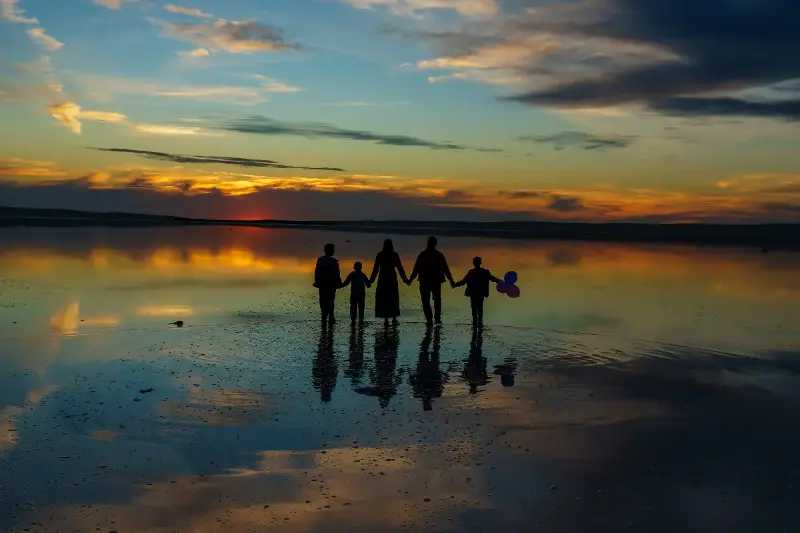
Family travel can turn geography, history, language and empathy into experiences children can see, taste and remember. A textbook may explain that Morocco sits at the crossroads of Africa, Europe and the Arab world; walking through a medina, hearing Arabic and Amazigh languages, and sharing mint tea gives that lesson a human dimension.
For children, unfamiliar places also provide a valuable reminder: their daily routines are not universal. Breakfast may be rice and fish rather than cereal, greetings may involve a bow rather than a handshake, and families may gather later in the evening because of climate, work or local customs. These observations help young travellers understand that difference is not strange—it is simply part of how people live.
Make cultural learning active
Meaningful travel does not require an ambitious itinerary or expensive attractions. Children learn more when they participate instead of merely being transported from one landmark to another. Give them small roles that encourage curiosity and responsibility. Try inviting children to:
- Learn five useful words in the local language, including hello, thank you and please.
- Choose one regional food to try and find out where its ingredients come from.
- Carry a small notebook to draw street scenes, tickets, plants, maps or new symbols.
- Compare a local market with the one they know at home.
Ask a guide, host or museum educator one respectful question about daily life. A child who orders bread in a new language or learns why shoes are removed before entering a home is not simply collecting holiday memories. They are practising communication, observation and respect.
Look beyond the postcard
Famous monuments matter, but cultural understanding often develops in ordinary places. A public bus in Singapore, a bakery in Lisbon, a neighbourhood park in Mexico City or a village football match in Kenya can reveal how people work, relax, travel and spend time together.
Parents can help children notice details without turning every outing into a formal lesson. Ask open questions: What do you see people doing after school? What sounds are different here? Which rules seem important in this place? What reminds you of home? It is equally important to avoid presenting another culture as a spectacle. Instead of saying that a custom is “weird” or “funny,” describe it accurately and ask what purpose it may serve. This approach teaches children to replace quick judgments with thoughtful questions.
Prepare with respect
A little research before departure can prevent awkward moments and deepen the experience. Read age-appropriate stories by local authors, watch a documentary made in the destination country, or locate the place together on a map. Explain basic etiquette, particularly around photography, religious sites, dress and personal space. Useful preparation includes:
- Checking whether visitors should cover shoulders, legs or hair at sacred sites.
- Teaching children to ask permission before photographing people, homes or market stalls.
- Learning local rules around tipping, queuing and greetings.
- Discussing how tourism affects communities, including pressure on housing, water and natural spaces.
- Choosing locally owned restaurants, guides and small businesses where possible. These choices show children that travel is not only about what visitors receive from a destination, but also about how they behave within it.
Bring the journey home
The learning continues after unpacking. Encourage children to make a photo journal, cook a dish they discovered, write a thank-you message to a host, or research a question that arose during the trip. They may discover that a souvenir is less meaningful than a story about the person who made it. Family travel cannot provide a complete picture of any country in a few days. But it can plant something lasting: the understanding that every place contains many stories, and that listening carefully is often the best way to begin discovering them.