


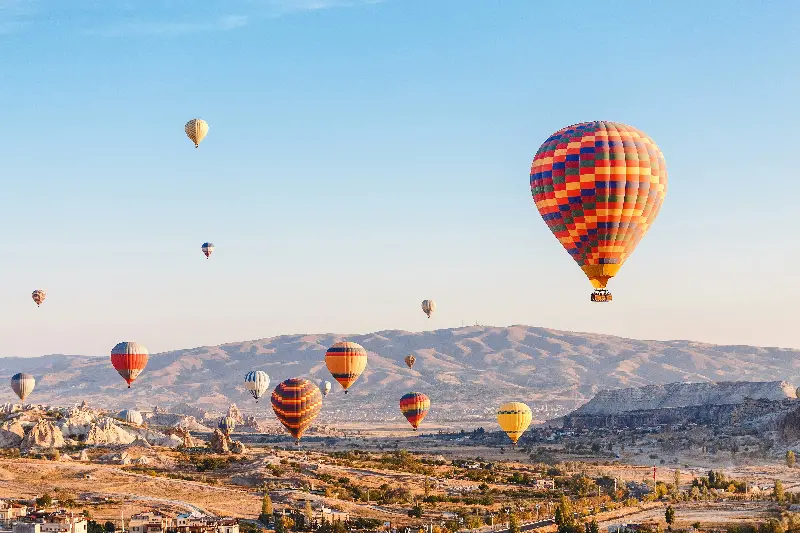
From dream to sky, the enchanting world of hot air balloons captures the imagination of adventurers and dreamers alike. These floating wonders fill the horizon with a patchwork of colors, transforming ordinary skies into vivid canvases of artistry and innovation. But beyond their mesmerizing shapes and spectacular hues lies a fascinating journey of engineering, creativity, and passion. To understand these giants, we must look past the fabric and into the meticulous science that keeps them aloft.
THE BIRTH OF A BALLOON: WHERE ENGINEERING MEETS ART
Every hot air balloon starts with a dream—but it takes a rigorous blend of science and art to bring that vision to life. Balloon design is far more than choosing bright dyes; it is a high-stakes balancing act of aeronautical engineering.
- Material Science: Most envelopes are crafted from ripstop nylon or polyester, chosen for their incredible strength-to-weight ratio and resistance to high temperatures.
- Structural Panels: These fabrics are cut into vertical strips called "gores." When sewn together, they form the precise aerodynamic shape required for stable flight.
- Protective Coatings: Engineers apply specialized UV-resistant films to the fabric. This prevents the sun’s rays from degrading the material and ensures the colors remain vibrant flight after flight.
The process is both mathematical and creative. Designers use complex algorithms to calculate volume-to-weight ratios, ensuring that even a balloon shaped like a giant comic character maintains center-of-gravity stability.
THE MAGIC OF COLOR: PSYCHOLOGY AND SPECTACLE
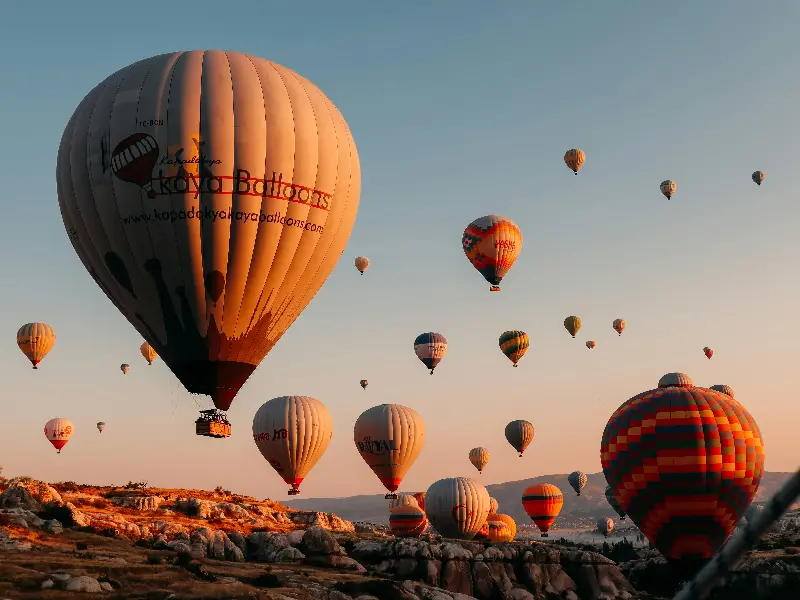
What makes a balloon festival feel like a living painting? It is the deliberate use of color psychology to command the viewer's emotions from miles away.
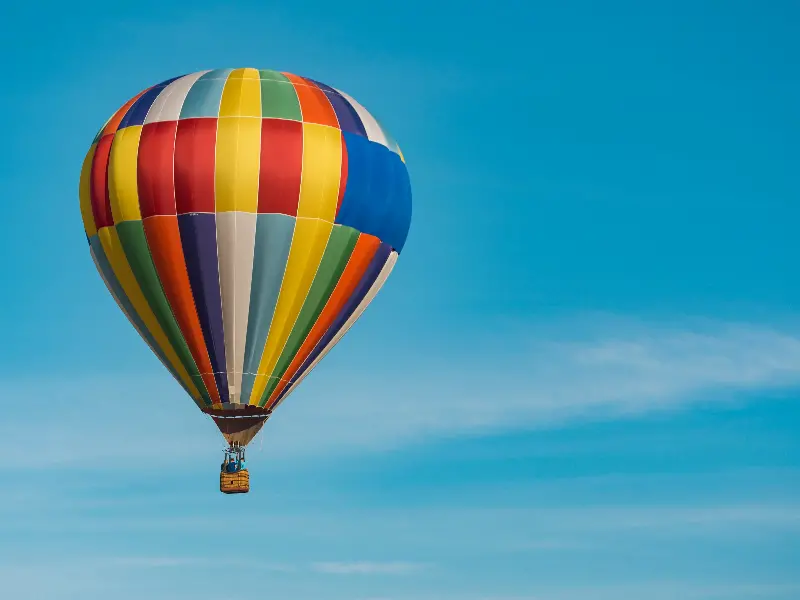
- Red: Invokes excitement and high energy, often used for lead balloons in a mass ascent.
- Blue: Provides a sense of calm and reliability, contrasting sharply against the morning sun.
- Yellow: Sparks instant joy and visibility, making it a favorite for commercial and festival icons.
Designers often curate their fleets to ensure a blend of harmonious gradients and bold, clashing palettes. Certain patterns also carry deep symbolism—chevrons might celebrate a national heritage, while intricate mosaics pay homage to local cultural icons.
SHAPING THE UNEXPECTED: ENGINEERING CREATIVE MARVELS
While classic teardrop shapes are perennial favorites, "special shapes" stretch the boundaries of physics. These balloons can appear as ten-story animals, fantastical creatures, or replicas of famous landmarks.
Constructing these marvels presents unique technical challenges:
- 3D Modeling: Designers use advanced software to simulate airflow around protrusions (like a panda's ears or a dragon's tail).
- Internal Baffles: To keep complex shapes upright, internal fabric walls called baffles are sewn inside the envelope to manage hot air distribution.
- Weight Distribution: Every limb or accessory on a special-shape balloon must be perfectly counterbalanced to prevent the balloon from tipping during flight.
REACHING NEW HEIGHTS: THE GLOBAL STAGE
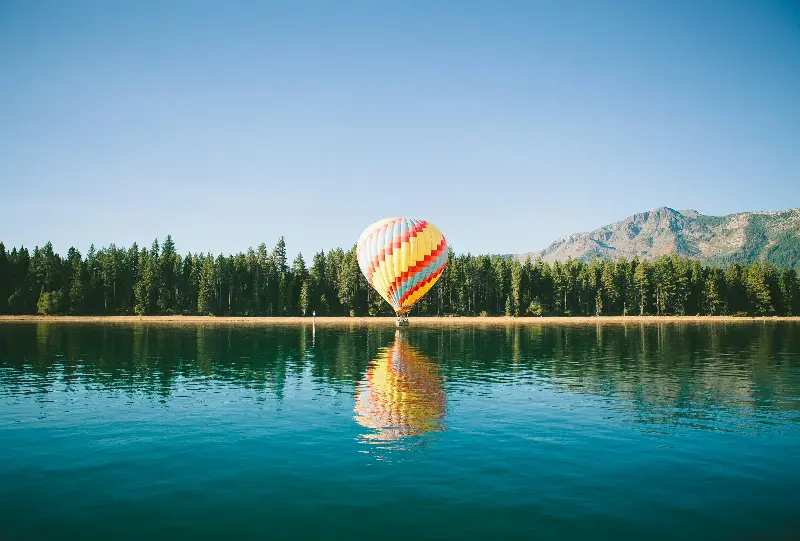
Hot air balloon festivals are the ultimate showcase for these floating works of art. From the high deserts of Albuquerque to the fairy chimneys of Cappadocia, these events turn regions into global hubs for aviation enthusiasts.

Beyond the visual spectacle, these festivals foster a deep sense of camaraderie. Pilots share "trade secrets" regarding inflation techniques and weather navigation, while spectators are often invited to walk among the tethered giants during "night glows." Many balloons carry personal legacies, serving as flying ambassadors for charities or family histories passed down through generations.
The world’s most colorful hot air balloons are far more than floating decorations. They represent the perfect fusion of art and science, community and adventure. Whether seen from the ground or drifting silently above, they remind us all that sometimes, dreams really do rise toward the sky.