



Fall is the perfect time to take care of preventive maintenance before colder weather sets in. A little work now can go a long way toward protecting your home, keeping it comfortable and helping you avoid an unexpected repair in the middle of winter.
I always recommend starting with the projects that protect your home from water and cold weather, then working your way through the rest of your seasonal checklist.
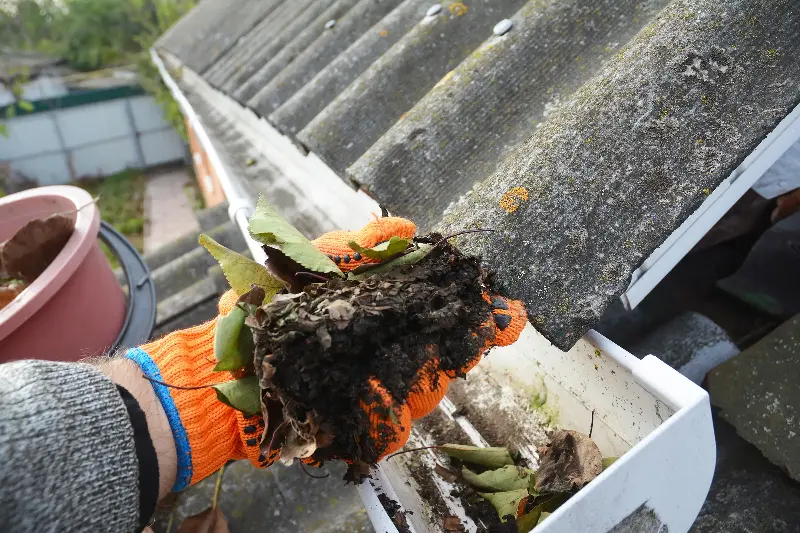
Begin at the top of your home with the roof and gutters. Look for missing or damaged shingles, sagging areas or other visible signs of damage. Clean leaves and debris from your gutters, and make sure your downspouts are directing water safely away from your home’s foundation. Water is one of the biggest enemies of a home, so it’s important to give rain, snow and melting ice somewhere to go. If you aren’t comfortable working on a ladder or inspecting your roof, leave these tasks to a professional.
Next, give your lawn and landscaping some attention before they go dormant. Fall is a great time to aerate, overseed and fertilize your lawn so it has what it needs to return healthy in the spring. Keep up with fallen leaves as well, since a thick layer left on the lawn can trap moisture and block sunlight. While you’re outside, inspect trees and shrubs for dead, damaged or overhanging branches that could become hazardous during a winter storm.
Check your windows and exterior doors for drafts. Walk around your home and look for gaps, cracks or worn weatherstripping. Replacing weatherstripping, applying caulk and installing door sweeps are relatively simple improvements that can make your home more comfortable and help keep warm air inside rather than paying to heat the outdoors.
Don’t wait for the first freeze to winterize your outdoor plumbing. Disconnect and drain garden hoses, shut off and drain exterior faucets where appropriate, and protect exposed pipes from freezing temperatures. If you have an irrigation system and live in an area where temperatures fall below freezing, make sure the system is properly winterized. These are small projects compared with the cost and disruption of dealing with a burst pipe later.
Fall is also a good time to clean and inspect your outdoor living spaces. Clear leaves and debris from decks, patios and walkways, and check your driveway and sidewalks for cracks. Water can seep into small openings, freeze and expand, turning a minor crack into a much larger problem. Clean and store outdoor furniture, gardening equipment and tools that you won’t need again until spring.
Inside your home, change your HVAC filter and have your heating system inspected before you need to rely on it every day. An annual tuneup can help your system operate more efficiently and may identify smaller problems before they result in a breakdown. If you have a fireplace, schedule a chimney inspection and cleaning as needed before lighting the first fire of the season.
Use your fall maintenance routine as a reminder to test your smoke and carbon monoxide detectors, too. Replace batteries if necessary and check the expiration dates on the devices themselves. As homeowners begin using heating systems, fireplaces and other fuel-burning appliances more frequently, working carbon monoxide detectors become especially important.
My biggest advice is to start early and prioritize. You don’t have to tackle everything in one weekend. Walk around your home, make a list of what needs attention and begin with anything that could lead to water damage, heat loss or a safety issue. Take on the projects you can comfortably and safely handle yourself, and bring in a skilled professional when the work requires specialized expertise.
Taking care of the small things now is one of the best ways to protect both your home and your budget throughout the fall and winter.
____
Tweet your home care questions with #AskingAngi and we’ll try to answer them in a future column.